Low-e-windows: Low-E Windows: Energy Efficiency Explained
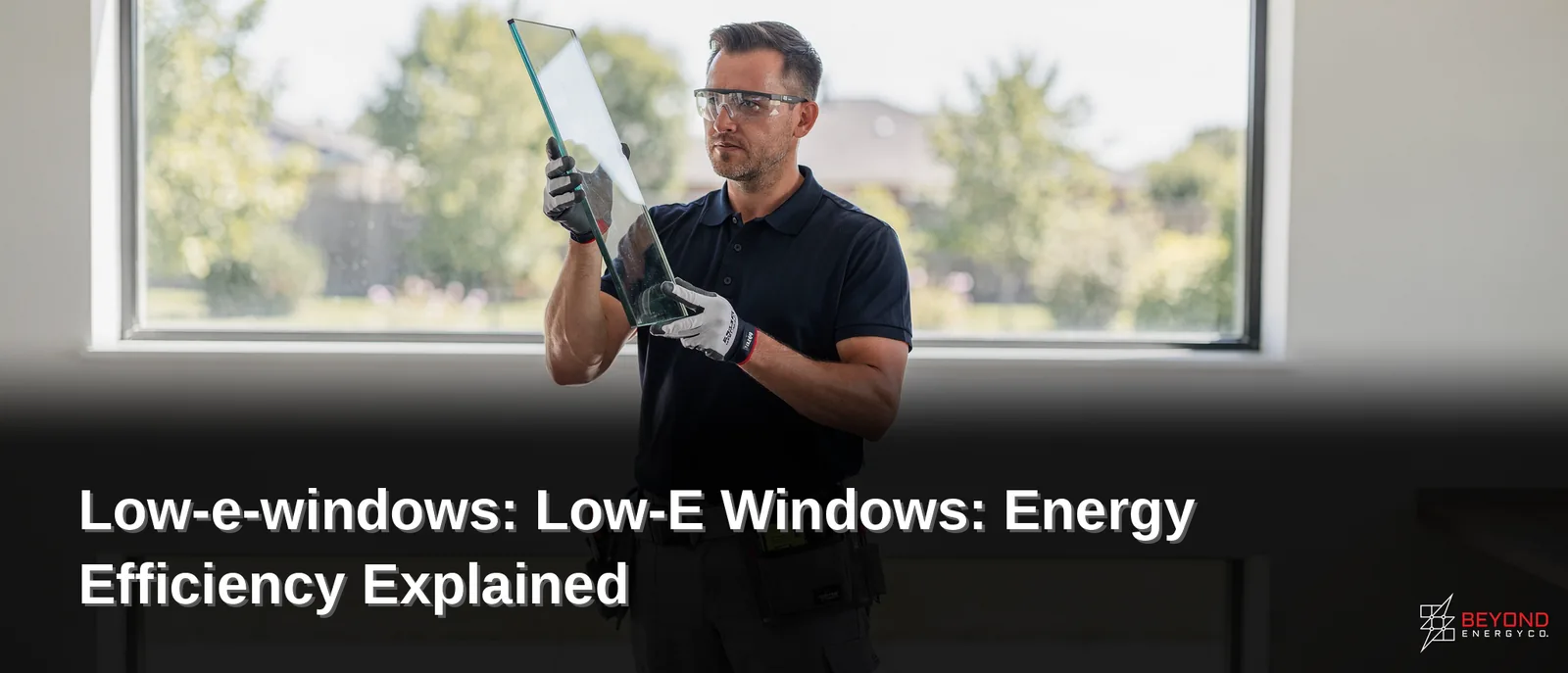
Learn how low-e glass coatings reduce cooling costs 20-a notable share in desert climates. Beyond Energy Company installs triple-pane, desert-rated windows in one day.
By Beyond Energy Company Editorial Team · Updated 2026-08-14
Low-E glass and window coatings guide: Low-E coatings reflect solar heat while allowing visible light through, cutting cooling demand in desert climates. Triple-pane, Low-E, desert-rated windows from Beyond Energy Company can cut cooling costs 20-40% for Las Vegas homeowners, though actual savings vary by window package and the home's current condition and orientation — contact Beyond Energy Company directly for a personalized estimate. They install in one day and carry a double lifetime warranty on parts and labor.
Key Takeaways
- Low-E coatings reflect up to 90% of infrared heat while transmitting visible light through windows.
- Two main types exist: pyrolytic coatings applied during glass manufacturing and sputtered coatings added afterward.
- Low-E windows reduce energy costs by 15-40% compared to standard uncoated glass windows.
- Window coatings last 10-20 years before degradation affects thermal performance and clarity.
What Is Low-E Glass, Exactly?
A microscopic metallic coating, invisible to the naked eye, gives low-e-windows their power to reject solar heat before it ever crosses the glass. That coating sits between the panes of a triple-pane, desert-rated window assembly, engineered to bounce infrared energy back outside rather than let it soak into a living room. For Las Vegas homeowners, that distinction separates a window that fights the desert sun from one that surrenders to it.
What is low-E, and how does it actually work?
What-is-low-e comes down to physics: low-emissivity glass reflects long-wave infrared radiation while still letting visible light pass through. Instead of blocking daylight like tinted film, the coating targets heat specifically. Rooms stay bright, but the west-facing window that once radiated afternoon heat stops acting like a stovetop.
Glass, more than any other building material, determines how much a Southern Nevada home spends on cooling. Beyond Energy Company treats that reality as the starting point for design, not an afterthought.
- Engineers a proprietary triple-pane window line built specifically for Southern Nevada heat loads
- Pairs that glass with foam-core insulated doors for whole-home consistency
- Installs with in-house crews rather than generic, off-the-shelf glass packages
That combination of energy-efficient-glass and climate-specific engineering is what separates a desert-rated window from a standard big-box replacement.
Pyrolytic vs. Sputtered Low-E Coatings: What's the Difference?
Not all low-E coatings are built the same way, and the manufacturing process behind them affects how well a window performs against Las Vegas heat.
Pyrolytic (hard-coat) coatings are fused to the glass surface while it's still molten during manufacturing, bonding the metallic oxide layer directly into the glass itself. That process makes the coating extremely durable and resistant to scratching during handling and installation. The tradeoff is performance: hard-coat low-E blocks less solar heat than its sputtered counterpart, since the manufacturing process limits how many microscopically thin layers can be applied.
Sputtered (soft-coat) coatings are applied after the glass has cooled, inside a vacuum chamber where multiple ultra-thin layers of silver and metal oxides are deposited one at a time. That layering gives sputtered coatings a meaningfully lower solar heat gain coefficient than pyrolytic glass, which is why premium triple-pane window lines lean on soft-coat technology for the desert's cooling-dominated climate. The coating is more delicate on its own, which is why it's always sealed between panes rather than exposed on an outer surface.
For a Las Vegas homeowner, the practical takeaway is simple: soft-coat, sputtered low-E glass sealed inside a triple-pane assembly delivers stronger solar rejection than hard-coat glass, without sacrificing durability, because the coating never touches the outside world.
How to Spot Failing Windows
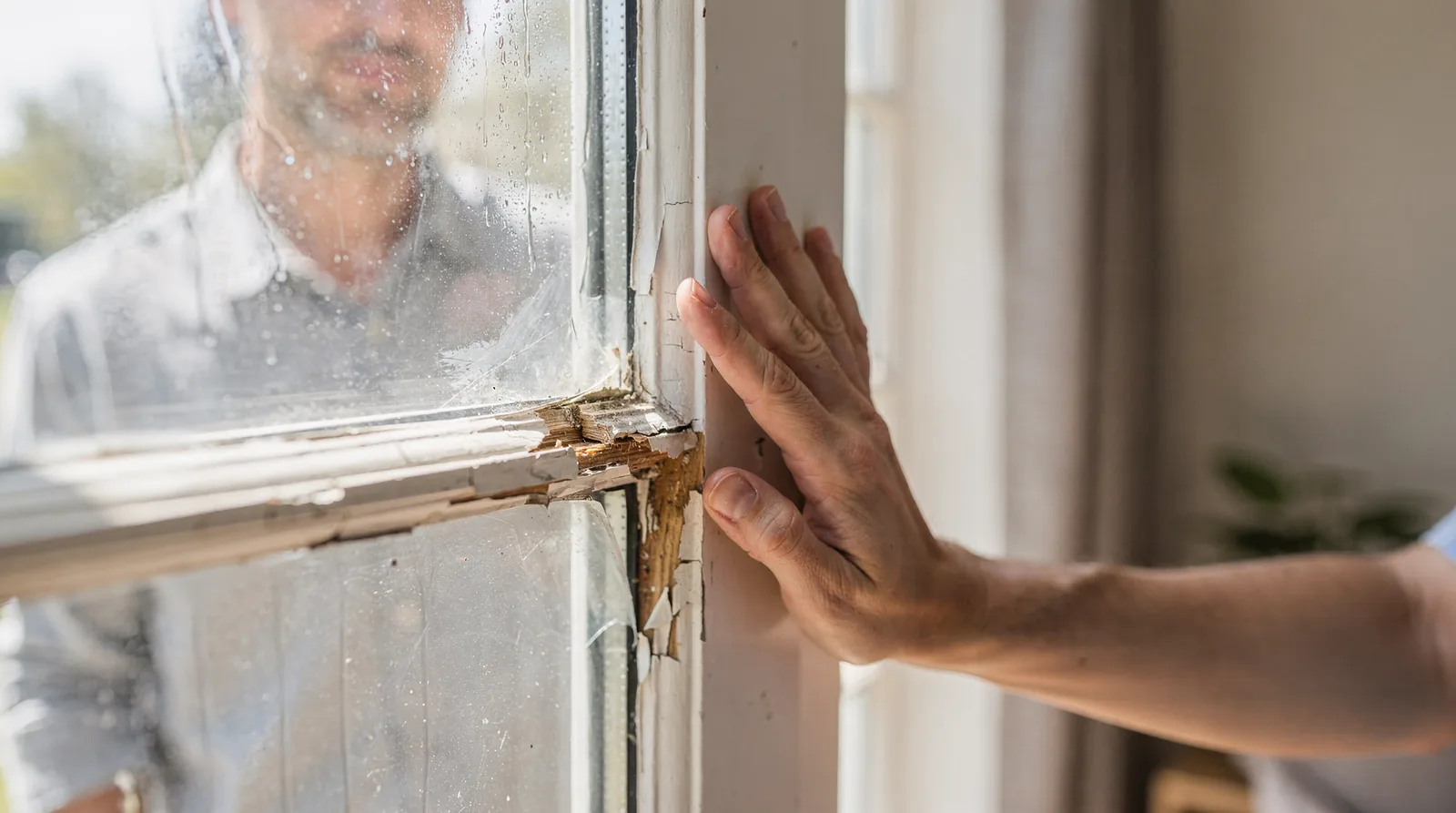
Four signs separate healthy windows from ones quietly driving up cooling bills. Homeowners with west-facing rooms often notice the pattern first: those rooms stay hot regardless of the thermostat setting. The glass has stopped rejecting solar heat the way it should. That single symptom often points to a bigger problem across the entire home.
Why does the glass feel warm at 4pm?
Glass warm to the touch in late afternoon signals a failed coating or a broken seal. Healthy energy-efficient glass blocks radiant heat instead of absorbing it. Warmth at the surface means the glass is no longer doing its job.
What does foggy glass between panes mean?
A haze or fog trapped between panes that cleaning never removes means the seal has broken. Once that seal fails, the insulating gas fill escapes, and the window loses much of its thermal performance.
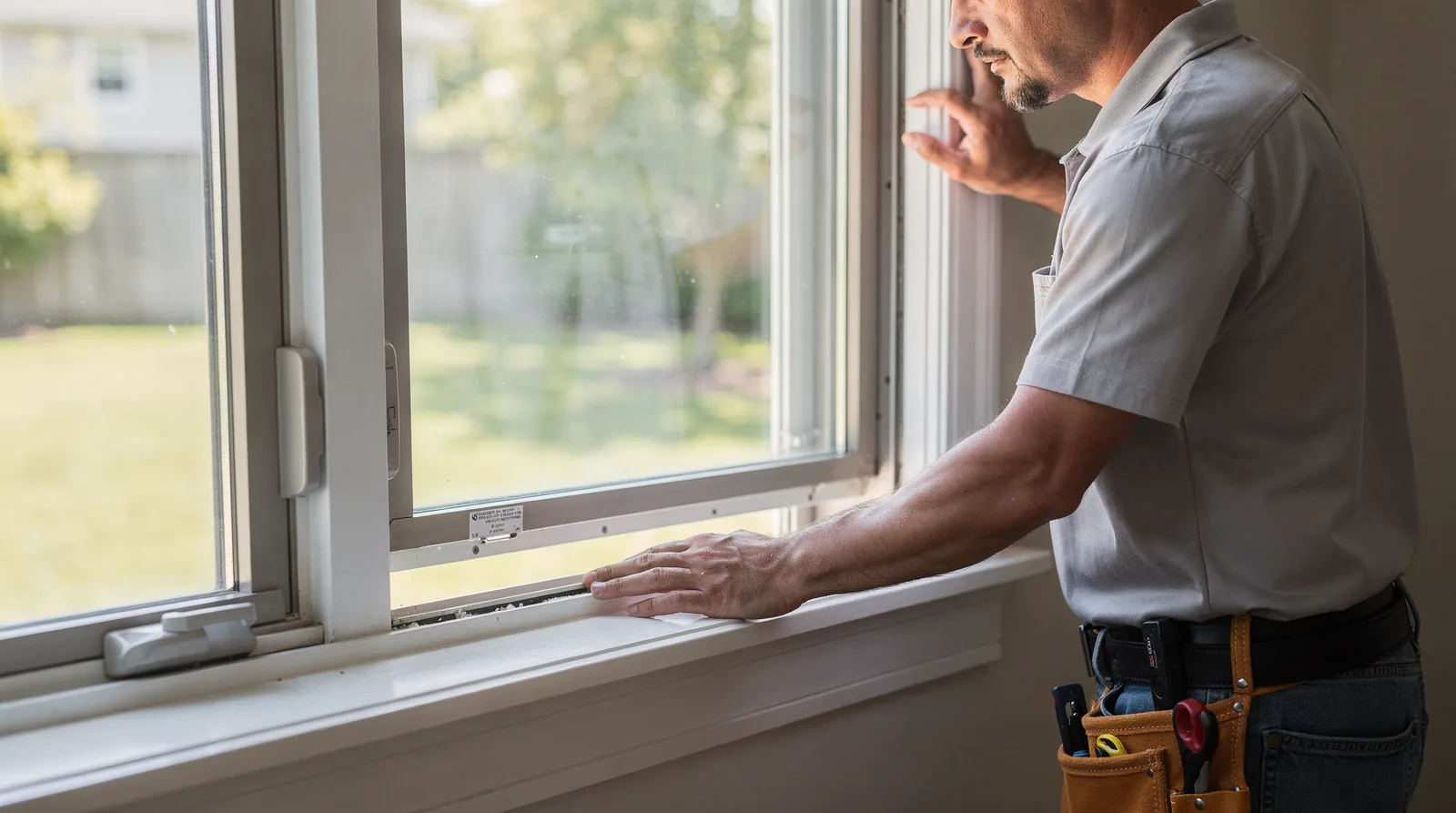
A third clue shows up away from the glass entirely: dust collecting on the sill even with the window shut. Combined, these symptoms trace back to one root cause. The glass package has stopped rejecting solar heat, or the seal has failed and the gas fill is gone.
- West rooms stay hot regardless of thermostat setting
- Glass feels warm at 4pm
- Persistent haze or fog between panes
- Dust on the sill with the window closed
Replacing failing units with low-e-windows restores the glass's ability to reject heat before what-is-low-e performance is even a question.
SHGC and U-Factor: What the Numbers on the Label Mean
Every energy-rated window carries a National Fenestration Rating Council label listing two numbers that matter more than any other spec: Solar Heat Gain Coefficient (SHGC) and U-factor. Understanding both keeps a homeowner from buying the wrong window for a cooling-dominated desert climate.
SHGC measures how much solar heat passes through the glass, on a scale from 0 to 1. The lower the number, the less solar heat the window lets in. For Las Vegas, where cooling costs dominate the utility bill nearly year-round, SHGC is the number that matters most. Homeowners shopping for replacement windows in Southern Nevada should look for an SHGC of 0.25 or below, and high-performing low-E glass can reach down to 0.21-0.23.
U-factor measures the rate of heat transfer through the entire window assembly, including the frame, not just the glass. A lower U-factor means better insulation against heat moving through the window in either direction. U-factor matters more in cold, heating-dominated climates than it does in Las Vegas, since desert winters are mild and the bigger threat is solar heat gain in summer, not heat loss in winter.
ENERGY STAR certification uses SHGC and U-factor together, weighted for specific climate regions, which is why a window certified for the Southern climate zone is calibrated differently than one rated for the Northeast. Checking both numbers against the Southern zone thresholds — rather than assuming any ENERGY STAR label is equally suited to desert heat — is the difference between a window that performs and one that just carries a sticker.
What to Look for in Replacement Windows
Glass technology determines whether replacement windows perform in desert heat or just look new. Four factors separate a smart upgrade from a wasted one: energy-efficient glass, warranty strength, installation speed, and installer credentials. Skipping any of these turns a big purchase into a repeat expense.
Low-e windows deserve first consideration. These windows use a microscopic metallic coating that reflects solar heat before it enters the home. Paired with triple-pane construction, this glass can help homeowners cut cooling costs 20-40%, though results vary by the window package chosen and the home's current condition and orientation — a meaningful savings against Las Vegas summer bills. Contact Beyond Energy Company for a personalized estimate based on the home's specific needs.
What is low-e coating, exactly?
What is low-e coating comes down to a thin, virtually invisible layer applied to glass surfaces. The coating reflects infrared and ultraviolet light while still letting visible light through, so rooms stay bright without turning into heat traps. It's the difference between glass that blocks the sun and glass that just holds it back weakly.
How long should installation take?
Most whole-home projects wrap up in a single day. Beyond Energy handles every job with in-house crews, never subcontractors, keeping quality consistent from start to finish.
Warranty coverage matters just as much as the glass itself. Beyond Energy backs both windows and labor with a double lifetime warranty. As a veteran-owned company licensed, bonded, and insured in Nevada, accountability isn't optional — it's built into the business.
Frequently Asked Questions
What SHGC rating is best for Las Vegas homes?
Aim for a Solar Heat Gain Coefficient of 0.25 or lower. Southern Nevada's cooling-dominated climate rewards low SHGC glass more than any other spec, since blocking solar heat gain matters far more here than insulating against winter heat loss.
Is triple-pane glass necessary in a desert climate, or is low-E coating enough?
Low-E coating and SHGC do the heavy lifting against desert heat, but triple-pane construction adds a second gas-filled chamber that further reduces heat transfer and cuts outside noise. Pairing sputtered low-E coatings with a triple-pane assembly gives Las Vegas homeowners the strongest combination available.
How long does a low-E coating last before it needs replacing?
A properly sealed low-E coating typically holds its thermal performance for 10-20 years. Once the seal between panes fails, the gas fill escapes and the coating's performance degrades even if the coating itself is intact, which is why fogging between panes is a signal to have the window inspected.
Does low-E glass make a room darker?
No. Low-E coatings are engineered to reflect infrared heat while still transmitting visible light, so rooms stay just as bright as they would with standard glass. That's what separates low-E coatings from tinted or reflective films, which cut glare but also dim the room.
How much can low-E windows lower a Las Vegas cooling bill?
Homeowners who upgrade to triple-pane, low-E, desert-rated windows typically see cooling costs drop 20-40%, depending on the home's current window condition and orientation. West- and south-facing rooms with direct afternoon sun usually see the largest improvement. Because actual savings vary by window package, contact Beyond Energy Company directly for a personalized estimate.
Want results like this in your home?
Book a free in-home assessment. We'll measure your windows and doors, explain your options, and give you a written quote the same visit.