Window-energy-ratings: Understanding Window Energy Ratings
.webp)
Learn how to read NFRC window energy ratings, including U-Factor, SHGC, and Visible Transmittance, to choose energy-efficient windows for Las Vegas homes.
By Beyond Energy Company Editorial Team · Updated 2026-08-14
NFRC labels display five ratings: U-Factor (0.20–1.20 range), Solar Heat Gain Coefficient, Visible Transmittance,
NFRC labels display U-Factor and Visible Transmittance ratings: U-Factor ranges from 0.20-1.20, with lower numbers indicating better heat retention. Visible Transmittance ranges from 0-1, with higher numbers letting in more natural daylight.
NFRC labels display four key metrics: U-Factor, Solar Heat Gain Coefficient, Visible Transmittance, and Air Leakage. Lower U-Factor and SHGC numbers signal better performance for Las Vegas heat. They measure heat transfer and solar heat entering the home. Homeowners comparing replacement windows should prioritize low SHGC ratings to cut cooling costs during peak desert summer months.
Key Takeaways
- The National Fenestration Rating Council (NFRC) develops and certifies all official window energy ratings in the United States.
- NFRC labels help consumers compare energy performance across windows, doors, and skylights using multiple rating categories.
- U-Factor measures heat retention; lower numbers indicate better insulation and energy efficiency for your home.
- Every new window includes an NFRC energy-efficiency label with performance ratings to guide purchasing decisions.
What Do You Need Before Reading a Window Label?
A basic grasp of three concepts prepares any homeowner to follow this how-to-read-nfrc approach and read a window label correctly: the certifying body behind the numbers, the two core performance ratings, and why those ratings matter in a desert climate. Without this context, the label looks like a wall of meaningless digits.
Start with the source. The National Fenestration Rating Council stands as the leading organization that develops and certifies window-energy-ratings across the United States. Every credible label traces back to this group's testing standards.
Why do Las Vegas homeowners need to understand these ratings?
Cooling costs in Las Vegas regularly climb to high amounts per month for a typical single-family home during summer. Outdated or leaky windows drive much of that expense, so understanding performance ratings before buying protects a household's budget.
What should homeowners know about heat-blocking features?
Low-E coatings and argon gas fills work together to block solar heat before it enters living spaces, easing strain on air conditioning systems. This is where U-factor and SHGC become relevant — they quantify exactly how much heat a window stops. ENERGY STAR-certified replacements can lower energy bills by an average of 13% over old single-pane windows.
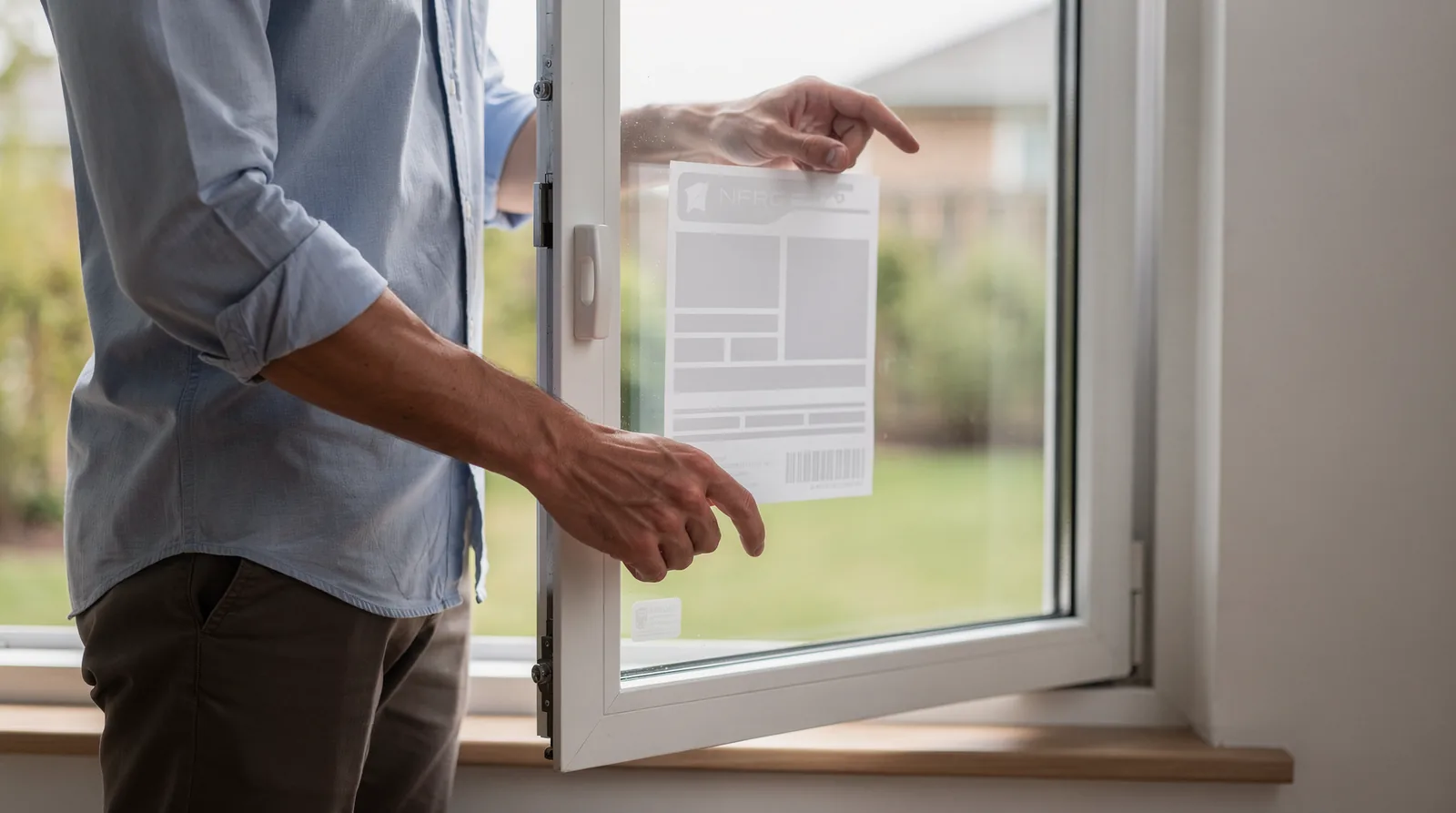
How Do You Interpret Each NFRC Rating Step-by-Step?
Three numbers on the NFRC label determine whether a window performs in Las Vegas heat or fails within a few summers. Reading window-energy-ratings correctly means checking each figure against local climate demands, not just national averages. Homeowners who skip this step often replace windows twice as often as necessary.
Follow this sequence when evaluating any label:
- Locate the U-Factor first. This number measures how well a window keeps heat from escaping a room, and lower numbers perform better.
- Check the Solar Heat Gain Coefficient next. This figure shows how much solar heat the window allows into the home; low numbers resist heat gain, which matters most during Las Vegas summers.
- Review Visible Transmittance last. Higher numbers let in more natural daylight, so this rating balances comfort against glare.
What's the difference between U-Factor and SHGC?
U-Factor and SHGC measure two separate problems. U-Factor tracks heat loss through the frame and glass, while SHGC tracks how much solar radiation passes through the glass itself. In a desert climate, SHGC often matters more day-to-day, since blocking incoming heat reduces the air conditioner's workload directly.
Why do triple-pane windows score better on these ratings?
Triple-pane windows with thermally optimized frames outperform standard double-pane models by a notable share or more in extreme desert heat. The added glass layer and improved frame construction lower both U-Factor and SHGC simultaneously. Desert-rated, Low-E replacement units built to a home's exact window openings deliver these gains consistently, rather than relying on generic, one-size-fits-all sizing that leaves gaps and reduces overall efficiency.

What Mistakes Should You Avoid When Comparing Ratings?
Two errors cost Las Vegas homeowners the most money: treating the NFRC label as a price tag, and ignoring who installs the window. Neither mistake shows up until the first summer power bill arrives, and by then the purchase is already made.
Does the NFRC label tell you how much a window will cost to run?
No. Unlike the bright yellow EnergyGuide labels found on refrigerators. Dryers, the label built on window-energy-ratings does not estimate annual energy spending. It reports performance numbers, not dollar figures, so shoppers must weigh those numbers against their own climate and usage before deciding.
Does buying a high-rated window guarantee lower bills?
Not by itself. Professional installation matters just as much as the glass and frame. A poorly sealed perimeter lets conditioned air leak out no matter how strong the ufactor-shgc numbers look on paper.
Homeowners who pair a properly installed, desert-rated window with skilled crews typically see a meaningful drop in cooling costs. Beyond Energy's triple-pane windows and foam-core doors install in one day, backed by a double lifetime warranty covering parts and labor.
Want results like this in your home?
Book a free in-home assessment. We'll measure your windows and doors, explain your options, and give you a written quote the same visit.